5 Hidden Costs Killing Builder Profits: What every construction business owner needs to know
.png)
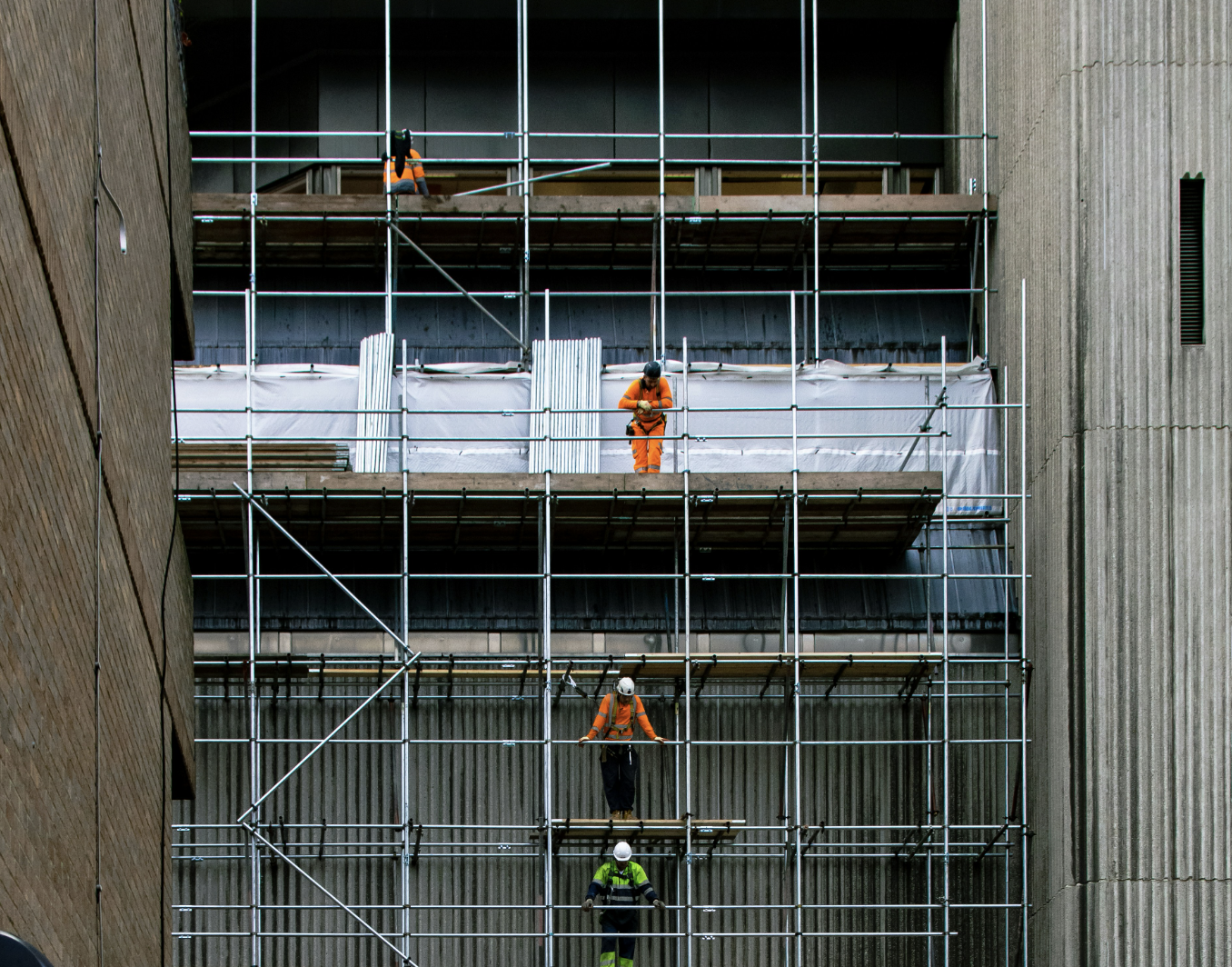
In the rough-and-tumble world of construction, where steel meets sky and deadlines dance with dollars, we've all grown battle-hardened to the usual suspects: materials that cost more than a small yacht, skilled workers who've become as rare as a quiet jackhammer, and timelines tighter than “Ryan Giggs on a million dollar contract #iykyk”. But here's the plot twist that would make any builder's hard hat spin: the real threat to your profit isn't wearing a high-vis vest or showing up in your schedule alerts. But what if I told you the real threat to your profits isn’t the obstacles you see—it's the ones you don’t?
Beneath the surface, hidden inefficiencies are quietly eroding your profits, often unnoticed until it’s too late. I dug into the data to uncover why margins in construction are shrinking, and what I found might surprise you. These aren't just operational hiccups; they're systemic issues that demand a strategic approach to how you run your company.
Here’s the good news: you can fix them. Let me share what I uncovered about these five hidden profit drains and how you can regain control of your margins to build a business that doesn’t just compete but transcends to new heights.
Administrative Overhead: The Silent Profit Drain
Administrative overhead is a significant burden on builders, with research showing the average Australian construction business loses $127,000 annually on administration costs. Breakdown:
Base salary and super: $85,000
Software licenses and systems: $12,000
Training and onboarding: $15,000
Infrastructure and equipment: $15,000
These figures highlight that inefficiencies in administrative processes account for over 10% of operational costs in small-to-medium building firms.
The Real Cost of Document Management
Handling documentation in-house appears cost-effective but often leads to hidden inefficiencies. Research estimates these annual costs:
Lost business development time: $75,000
Documentation errors: $25,000
Delayed variations: $30,000
Missed compliance deadlines: $20,000
Errors in documentation and variation handling were cited as primary contributors to profit erosion in 64% of surveyed firms, emphasising the need for streamlined documentation workflows.
Staff Turnover: The Expensive Revolving Door
Staff turnover in the construction sector reached 23% in 2024.
The associated costs include:Recruitment fees: 15-20% of annual salary
Reduced productivity:12 weeks per new hire
Knowledge transfer losses and team morale impacts
The total impact per turnover event is estimated at $45,000, highlighting the importance of retention strategies. Further research uncovered organisations with higher staff turnover see a 13% reduction in overall efficiency.
Technology Fragmentation
The reliance on multiple platforms (typically 4-6 systems) creates inefficiencies that cost builders $40,000+ annually.The associated costs include:
Subscription fees: $15,000/year
Integration issues: $10,000/year
Duplicated data entry: 250 hours/year
Training needs: 120 hours/year
Tech support costs: $8,000/year
Current state analysis found 78% of builders face challenges with system interoperability, further compounding these costs. I believe this isn’t confined to the construction industry—it’s a universal issue affecting businesses across many sectors.
Compliance and Risk Management
Non-compliance costs extend beyond typical penalties, these annual expenditures:
Documentation updates: $12,000
Audit preparation: 80 hours
Legal reviews: $20,000
Insurance premium increases: 15-25%
Project delays: $3,000/day
A key insight for me was companies who proactively manage compliance reduce financial risks by up to 30% compared to those with reactive approaches.
Each of these issues, when isolated, might appear minor. Yet collectively, they form a formidable drain on profitability, operating in the background while attention is focused on delivering quality projects and maintaining client satisfaction.
The Path Forward
In today’s competitive construction landscape, the real challenge is not just completing projects on time and within budget—it’s building a resilient business that proactively identifies and mitigates these hidden profit drains. Through intentional strategies and a focus on operational excellence, construction companies can transform silent losses into newfound profitability.
The future of construction is not just about adapting to change—it’s about anticipating it. For those willing to uncover and address these hidden inefficiencies reach out to us for a complementary cost analysis.
Let's have a chat